Springfield Ave Locksmith Service Team
Local locksmith team
Mar 26, 2026 12 min read
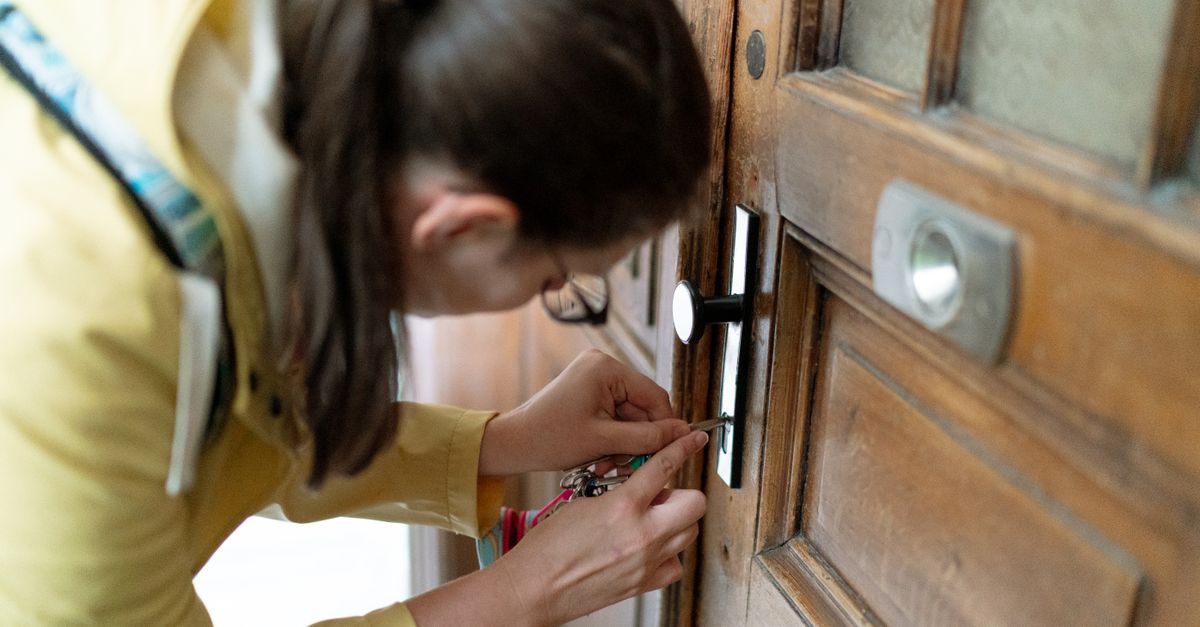
If you have ever walked out to your car on a bitter January morning near Springfield Avenue only to find the door lock frozen solid, or pushed your house key into the front deadbolt after a slushy commute and felt it grind to a stop halfway, you already know what Summit winters do to locks. The combination of hard freezes, dramatic temperature swings between day and night, persistent humidity, and the road salt that coats every surface from Morris Avenue to Kent Place makes Summit, NJ one of the harder environments in the state for residential and vehicle locks.
The damage is not random. Freezing temperatures cause metal components to contract and lubricants to thicken or crack. Moisture from snow and condensation seeps into pin chambers and mortise lock housings, then expands when it refreezes, warping tolerances that were machined to fractions of a millimeter. Salt accelerates corrosion on exposed metal parts that were never designed to handle a chemical assault every time a storm rolls through the Watchung foothills. The good news is that most of this damage is preventable with the right maintenance — and when prevention fails, knowing what to do next saves you time, money, and a very cold morning standing on your porch.
## Why Summit Winters Are Especially Hard on a Mortise Lock
A mortise lock — the style common in older Summit homes, brownstone-style entryways, and many commercial storefronts along Springfield Avenue — is a precision mechanical assembly housed inside a pocket cut into the door edge. That internal cavity is exactly where water wants to go. When slush or condensation migrates through the face plate gap and into the mortise lock body, you get a slow-motion freeze cycle that bends latch bolts, seizes the case mechanism, and eventually makes the key feel like it is turning in concrete. Unlike a simple cylindrical door knob lock, a mortise lock has more moving parts in a tighter space, which means the margin for corrosion or ice expansion is much smaller.
Door knob lock failures in Summit tend to follow a different pattern. The cylinder sits more exposed to direct weather, and the spring-loaded latch mechanism is vulnerable to ice bridging — a thin sheet of ice that forms across the latch face and the strike plate, effectively welding the door shut from the outside. Deadbolts fail for yet another reason: the bolt itself expands slightly in the cold and binds inside the strike plate mortise in the door frame. What feels like a frozen lock is sometimes just cold-swollen hardware. Understanding which failure mode you are dealing with changes how you respond — and whether you need a professional or just five minutes and the right product.
## What Freezing, Humidity, and Road Salt Actually Do (The Real Mechanism)
Salt is the least appreciated villain in this story. When a Summit DPW truck makes a pass down Summit Avenue before a storm, brine and rock salt get kicked up onto every door threshold, car door seam, and lock face on the block. Sodium chloride does not just melt ice — it pulls moisture out of the air through a process called deliquescence, meaning even on a dry day after a storm, salt residue is actively drawing humidity into every crevice it touches. Inside a lock cylinder, that ongoing moisture cycle deposits salt crystals in the pin chambers, causing pins to stick in their shafts and the plug to seize. Over one or two seasons of neglect, a deadbolt that worked perfectly in October becomes an emergency waiting to happen in February.
Humidity compounds the problem in a different way. Summit sits in a valley surrounded by the Watchung Ridge, and temperature inversions during winter trap damp air at street level longer than neighboring hilltop towns. That sustained humidity means locks rarely get a chance to fully dry out between freeze cycles. Graphite-based lubricants, which work beautifully in dry cold, can cake when mixed with humid salt air. Silicone-based lubricants handle the humidity far better and do not attract grit the way oil-based products do. The choice of lubricant alone — something most homeowners never think about — is one of the single most effective pieces of preventive maintenance you can do before the first hard freeze of the season.
## Practical Prevention: What to Do Before and During Winter
The most important window for lock maintenance is mid-October to early November, before the first sustained freeze. Start with the locks you use most: your front door deadbolt, the mortise lock set if your home has one, and all vehicle door locks. Use a silicone-based lock lubricant — not WD-40, which is a water displacer and will flush out existing lubrication rather than replace it — applied directly into the keyway and across the latch and bolt faces. Work the key in and out a dozen times to distribute it through the pin chambers. For a mortise lock, a trained locksmith can access the case, clean the internal mechanism, and apply a dry lubricant to the gears and cam that you simply cannot reach from outside. Scheduling that service once a year, before winter, is the equivalent of winterizing a boiler — inexpensive relative to the emergency call it prevents.
For thresholds and strike plates, a light coat of petroleum jelly or silicone grease on the bolt face and the inside of the strike plate prevents ice bonding. For vehicle locks, a lock de-icer with a silicone carrier applied in early fall keeps the cylinder functional through the worst freeze. If you are already in a freeze and the lock will not turn, gentle heat — a hand warmer held against the cylinder, or warm (not boiling) water poured carefully over the mechanism — is safe. Forcing a frozen lock with torque is how cylinders crack and how pins shear off inside the housing. If the lock resists after gentle warming, that is your cue to call a professional rather than escalate force. Our team at Springfield Ave Locksmith responds across the Summit area around the clock — call 908-365-0733 and we will have someone to you quickly, whether it is 7 a.m. or 2 a.m.
## When Maintenance Is Not Enough: Lock Changes, Rekeying, and Upgrades
Some locks are simply past the point where maintenance helps. If you notice the key catching on the way in, the cylinder spinning loosely, or the bolt not fully extending, winter stress has likely done cumulative damage to the internal tolerances. At that point, the practical decision is between rekeying and replacement. Knowing how to rekey a lock — or more practically, knowing when to have it done — is useful context for any homeowner. Rekeying means a locksmith disassembles the cylinder, replaces the driver and key pins with a new configuration, and rekeys it to a new key blank, leaving the lock hardware in place. It is a smart option when the hardware itself is mechanically sound but you want to change who has access — after a tenant change, a contractor job, or a lost key. Rekeying does not address physical damage from freeze cycles; if the cylinder is worn or corroded, replacement is the right call.
How to change a door lock or how to change a lock cylinder is a question we hear often, especially after a rough winter reveals that a deadbolt or mortise lock set has deteriorated beyond service. The factors that determine what you will pay for a lock change include the type of lock (a standard cylindrical deadbolt versus a full mortise lock set involve very different labor and parts), the brand and grade you choose (a Schlage B-series deadbolt versus a Kwikset entry set, for example), the time of day, and travel distance to your location. We always confirm the exact price upfront before any work begins, so there are no surprises. If you have a keypad door lock and are trying to figure out how to change code on a keypad door lock after winter has caused the keypad to malfunction, that is a separate diagnostic — sometimes a dead battery from cold drain, sometimes a corroded contact board — and we handle those as well.
## How Much Does a Locksmith Cost in NJ, and What Should You Expect?
One of the most common questions we get, especially from homeowners facing an unexpected winter lockout, is: how much does a locksmith cost in NJ, or more urgently, how much does an emergency locksmith cost near me? The honest answer is that price varies based on several real factors: the type of lock or vehicle involved, whether it is a residential deadbolt, a commercial mortise lock, or a car door; the time of day (overnight and weekend calls carry a different rate than a Tuesday afternoon); travel distance within the Summit area; and whether parts like a new cylinder or lock body are needed. We do not quote vague ranges — we give you an exact, confirmed price before any work starts, so you know precisely what you are agreeing to. Separately, some callers ask what proof is needed for a locksmith: we verify ownership or authorized access before any job, which protects you as much as it protects us. That means government-issued ID, a vehicle registration, a lease agreement, or similar documentation depending on the property type. It is a standard, professional practice that legitimate locksmiths follow every time.
Our full-service menu covers more than emergency calls. Springfield Ave Locksmith handles residential rekeying and lock changes, mortise lock service and replacement, car lockouts, transponder key programming, high-security cylinder upgrades, keypad and smart lock installation, commercial locksmith work for storefronts and office suites, master key system design, panic bar installation, intercom and access control integration, mailbox lock service, padlock replacement, safe opening and combination changes, broken key extraction, door frame and strike plate reinforcement, garage door lock service, file cabinet and desk lock replacement, lock-out service for storage units, duplicate key cutting including restricted keyways, window lock installation, sliding door lock repair, and after-hours emergency response for property managers and business owners across Summit. Whatever winter has done to your hardware, there is a service on that list that addresses it. Call 908-365-0733 — we answer 24/7 and we will give you a straight answer and an upfront price before we touch anything.
## Headquarters, Retail, and Finding the Right Locksmith for Summit
A word that comes up in searches but deserves a practical answer: when someone looks for a locksmith, they often encounter terms like headquarters address, retail store, or administrative offices — usually in the context of directory listings and storefront businesses. Springfield Ave Locksmith operates as a fully mobile service, meaning our team comes to you rather than asking you to come to a shop. That is the model that makes sense for locksmith work: your emergency is at your front door or your car in a Summit commuter lot, not at a retail counter. We are locally rooted in the Summit area, familiar with the neighborhoods, and dispatched from within the region — not a national dispatch center routing calls to contractors. When online directories ask you to find a locksmith in your area or browse top pros for your project, the practical filter that matters is whether the company actually operates locally, responds promptly, and stands behind a quoted price. We do all three, and we are insured. You do not need a retail storefront visit to get quality lock work — you need a trained technician at your location with the right tools and parts on the truck.
Frequently asked questions
How much does an emergency locksmith cost near me in Summit, NJ?+
The final price for an emergency locksmith call in Summit depends on the type of lock or vehicle, the time of day, travel distance, and whether replacement parts are needed. There is no single flat rate because a residential deadbolt lockout at noon and a commercial mortise lock emergency at midnight involve different labor and materials. What we guarantee is a confirmed, exact price before any work begins — no surprise charges after the fact. Call 908-365-0733 for an upfront quote specific to your situation.
What proof do I need for a locksmith to let me into my home or car?+
Any professional locksmith should verify that you have the right to access the property before beginning work. For a home, that typically means a government-issued ID matching the address, a lease agreement, or a utility bill. For a vehicle, a driver's license and vehicle registration are standard. For commercial properties, authorization from the business owner or property manager is required. This verification process protects you as the property owner just as much as it protects the locksmith — it is a mark of professionalism, not an obstacle.
Can I rekey my locks myself, or do I need a locksmith?+
DIY rekeying kits exist for some common cylindrical lock brands, but they require disassembling the cylinder, sourcing the correct replacement pins for your key blank, and reassembling the plug correctly — a process where small errors cause binding or a lock that appears to work but fails under use. For a mortise lock, DIY rekeying is genuinely not practical without specialized tools and training. A skilled locksmith can rekey most standard locks quickly and test the result on the spot. If the goal is simply to change who has a working key — after a tenant change or lost key — professional rekeying is fast, thorough, and eliminates the risk of a lock that fails during a winter freeze.
My keypad door lock is acting up after a cold snap — is it the cold or something else?+
Cold weather is a very common cause of keypad lock problems. The most frequent culprit is battery drain: alkaline batteries lose a significant portion of their capacity below freezing, and a lock that worked fine in fall may show low-battery symptoms or total failure after the first hard freeze. Replace the batteries first. If the lock still malfunctions — unresponsive keypad, failure to retract the bolt, or error codes — the issue may be a corroded contact board or a mechanical failure in the bolt mechanism caused by temperature cycling. If you are trying to figure out how to change the code on a door lock that has been behaving erratically, resolve the hardware issue first; reprogramming a malfunctioning lock will not fix the underlying problem. Call 908-365-0733 and we can diagnose it on-site.